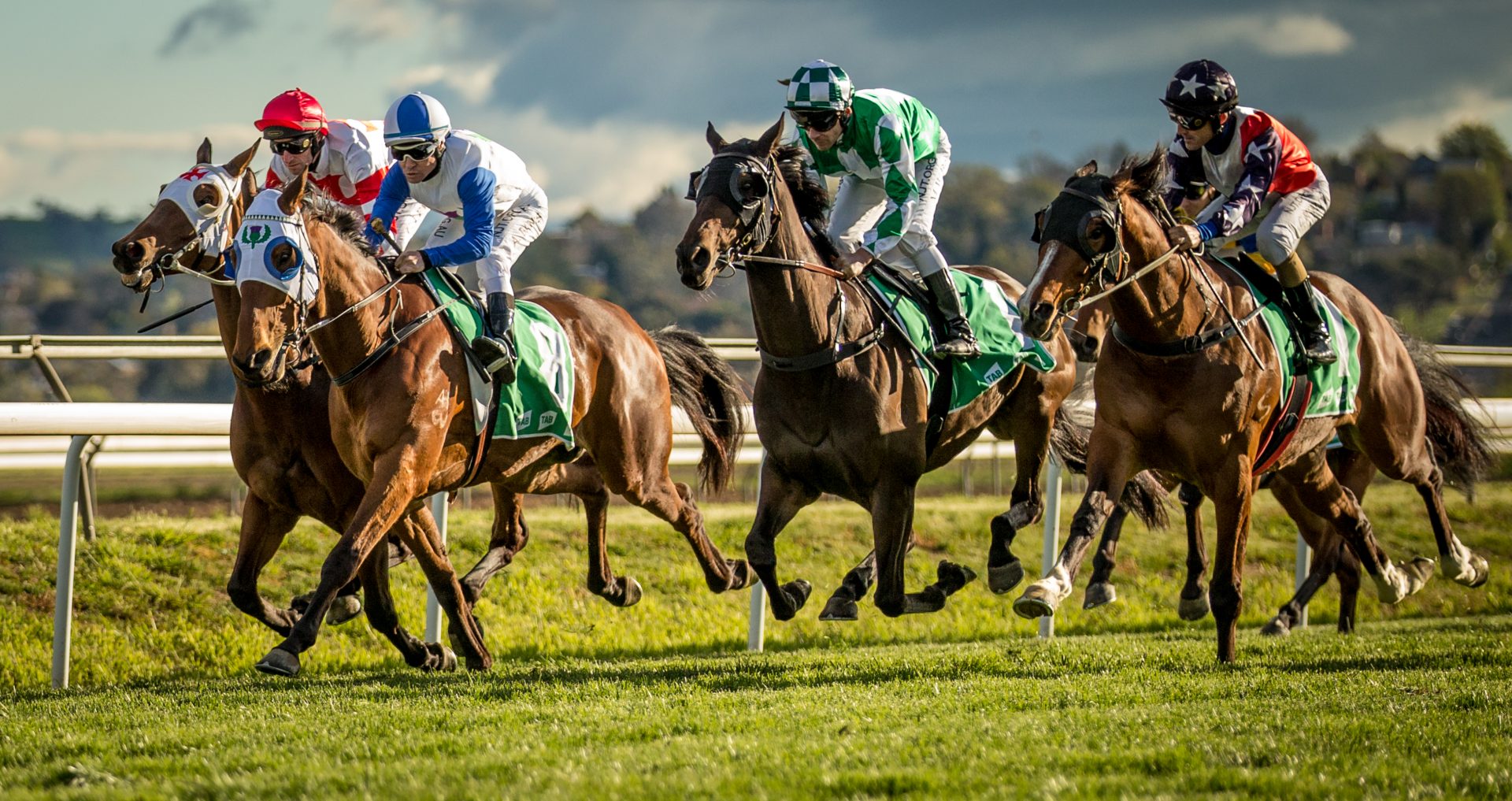
Horse racing is one of the oldest and most universally celebrated sports in human history — a pursuit that has captivated audiences across continents and centuries with a combination of raw athletic spectacle, deep cultural tradition, and the kind of unpredictable drama that no other sport quite replicates. From the thundering hooves of a packed field rounding the final bend to the nail-biting finish of a photo finish decided by the smallest of margins, horse racing delivers an intensity of experience that keeps millions of fans, owners, breeders, and bettors deeply engaged with the sport year after year. Yet for someone encountering horse racing for the first time — whether through a first visit to a racecourse, a friend’s enthusiasm for the sport, or a curiosity sparked by a major race day festival — the world of horse racing can feel simultaneously exciting and impenetrably complex. This guide strips back that complexity and presents horse racing in full — its history, its different formats, its key participants, its major races, and everything a newcomer needs to follow and enjoy the sport with genuine understanding and appreciation.
The History and Origins of Horse Racing
Horse racing is widely regarded as one of the oldest organized sports in the world, with evidence of formalized racing competitions involving both chariots and mounted riders found in the ancient civilizations of Greece, Rome, Babylon, Syria, and Egypt. The ancient Olympic Games included chariot racing as a prestigious event as far back as 700 BCE, and mounted horse racing appeared in the Olympic program not long after. Across the nomadic cultures of Central Asia, the domesticated horse was central to both warfare and competition, and racing between riders was a natural expression of the pride taken in horse breeding and horsemanship that has persisted in various forms across those cultures to the present day.
The version of horse racing most recognizable to modern audiences — formalized flat racing on established courses with documented pedigrees, registered jockeys, and a structured betting market — developed primarily in England during the seventeenth and eighteenth centuries. King Charles II was an enthusiastic patron of the sport and is credited with establishing Newmarket as the spiritual home of British flat racing, a status the Suffolk town retains to this day. The introduction of the thoroughbred horse breed during this period — developed through the crossing of imported Arabian stallions with native English mares — produced the foundation bloodlines from which virtually every modern thoroughbred racing horse in the world descends. Three stallions in particular — the Darley Arabian, the Godolphin Arabian, and the Byerley Turk — are recognized as the foundation sires of the thoroughbred breed, and their influence on the speed, athleticism, and competitive character of the modern racehorse is immeasurable.
The nineteenth century saw horse racing formalize its structure dramatically with the establishment of the Jockey Club as the sport’s governing authority in Britain, the introduction of the Classic race series — the races now known as the Two Thousand Guineas, the One Thousand Guineas, the Epsom Derby, the Epsom Oaks, and the St Leger — and the expansion of racing to new territories as British colonialism carried the thoroughbred horse and its associated racing culture to Ireland, Australia, the United States, South Africa, and beyond. Today horse racing is a genuinely global sport conducted across dozens of countries with its own distinct racing cultures, major festivals, and iconic races — united by the shared foundation of the thoroughbred horse and the universal human fascination with the speed and beauty of horses in competition.
The Different Types of Horse Racing Explained
One of the first things any newcomer to horse racing needs to understand is that the term covers several distinct disciplines that differ significantly in their format, the demands they place on horses and jockeys, and the skills required to follow and understand them intelligently. The two broadest categories are flat racing and jump racing — and while both involve thoroughbred horses competing over a defined course, the nature of that competition and the qualities that determine success in each are quite different.
Flat racing, as the name suggests, involves horses racing over a level or gently undulating course without any obstacles to jump. Races range in distance from the five-furlong sprint — roughly half a mile and completed in under a minute by the fastest horses — to the extreme staying distances of two miles and beyond that test endurance as much as raw speed. Flat racing in Britain runs from the spring through to the autumn, with the Classic series and major international festivals marking the high points of the calendar. The sport’s global reach is perhaps most visible in flat racing, where horses regularly travel internationally to compete in major races in Europe, North America, Asia, the Middle East, and Australia, and where prize money at the top level has grown to extraordinary levels funded largely by sovereign wealth and international breeding investment.
Jump racing — referred to as National Hunt racing in Britain and Ireland — involves horses jumping a series of obstacles during their race, either hurdles or fences. Hurdles races use smaller, brush-like obstacles that horses can effectively brush through if they do not clear them cleanly. Chase races — the more prestigious and demanding discipline — use larger, more solid fences that require genuine jumping ability and athleticism to clear safely at racing speed. Jump racing in Britain and Ireland runs primarily through the autumn and winter months, building to the National Hunt Festival at Cheltenham in March and the Grand National at Aintree in April — two of the most watched and most bet-upon sporting events in the British sporting calendar. The jump racing horse requires a very different physical profile from a flat horse — more robust, more powerful, and possessed of the jumping technique, courage, and jumping accuracy that the obstacles demand.
The Key Participants: Horses, Jockeys, Trainers, and Owners
Understanding who the key participants in horse racing are and what role each plays in the sport is essential context for following any race with genuine appreciation. The horse itself is obviously the central figure — but the competitive horse that appears on a racecourse is the product of a collaborative effort involving an owner who funds the enterprise, a trainer who prepares the horse for competition, a jockey who rides it in the race, and a breeding operation that produced the horse’s genetic potential in the first place. Each of these participants brings specific expertise and carries specific responsibilities that together determine the outcome of any given race.
Trainers are arguably the most strategically important human participants in the sport. A licensed trainer is responsible for the physical preparation of their horses — designing and implementing the exercise programs, feeding regimens, veterinary management, and race planning that bring each horse to its competitive peak at the right time. Training is simultaneously a science and an art — understanding the physiological demands of different race distances and surfaces, reading the subtle signs of a horse’s physical and mental readiness, and identifying the specific races where a horse’s individual profile gives it the best competitive opportunity require a combination of accumulated knowledge and intuitive understanding of horses that takes years to develop. The major training operations in Britain and Ireland — Coolmore, Godolphin, and Juddmonte among the breeding and ownership operations, and handlers like Aidan O’Brien, John Gosden, and Willie Mullins among the training greats — have shaped the modern sport as profoundly as any individual horse.
Jockeys occupy a unique athletic position in the sport — they are competitive athletes who must maintain specific weight limits while carrying the physical demands of race riding, which involves extreme balance, strength, timing, and tactical racing judgment executed at speeds of up to forty miles per hour in close proximity to other horses and riders. Flat jockeys typically ride at weights between eight and nine stone, requiring careful management of diet, fitness, and hydration throughout a career. Jump jockeys carry more weight but face the additional physical demands and injury risks associated with jumping at high speed — fall rates in jump racing are significantly higher than in flat racing, and serious injuries are an accepted occupational reality of the discipline. The greatest jockeys — Frankie Dettori, Ryan Moore, and Oisin Murphy among current flat riders, and AP McCoy and Ruby Walsh among the legendary names of jump racing — combine technical brilliance with the competitive intelligence to make split-second tactical decisions that regularly determine the outcome of races decided by fractions.
The Major Races and Festivals Every Racing Fan Should Know
Horse racing’s calendar is structured around a series of major race days and festivals that draw the sport’s finest horses and largest audiences together in concentrated bursts of high-quality competition. These events are the landmarks of the racing year — the occasions that generate the biggest betting turnover, the most intense media coverage, and the lasting memories that define the careers of horses, jockeys, and trainers across generations. For a newcomer to the sport, familiarizing themselves with the major fixtures of the racing calendar is one of the fastest ways to develop a genuine connection with the sport’s narrative and competitive texture.
In British flat racing, the Classic season beginning with the Craven Meeting at Newmarket in April and building through the Two Thousand and One Thousand Guineas in May, the Epsom Derby and Oaks in June, and the St Leger at Doncaster in September forms the backbone of the domestic season. Royal Ascot in June — five days of the highest-quality flat racing held in the presence of the British royal family — is the sport’s most glamorous domestic fixture and one of the most watched sporting events in the British calendar. The Breeders’ Cup in the United States, the Prix de l’Arc de Triomphe in Paris, the Dubai World Cup, and the Japan Cup complete the global picture of the flat racing world’s most important occasions.
In jump racing, the Cheltenham Festival in March is the undisputed high point of the British and Irish sporting calendar for National Hunt enthusiasts — four days of elite jump racing that draws the best horses from both sides of the Irish Sea and generates a level of atmosphere and competitive intensity that is genuinely without parallel in the sport. The Gold Cup, the Champion Hurdle, and the Queen Mother Champion Chase are the three championship races of the festival, each representing the pinnacle of achievement in their respective discipline. The Grand National at Aintree in April — a four-mile, two-furlong steeplechase over thirty uniquely demanding fences — is the most widely watched horse race in Britain and one of the most recognized sporting events in the world, combining the genuine drama of a grueling test of horse and rider with the broad public engagement generated by its famous obstacles and unpredictable outcomes.
Horse Racing and Betting: Understanding the Connection
Horse racing and betting have been inseparable companions throughout the sport’s history, and understanding the basics of how horse racing betting works adds a dimension of engagement to the sport that transforms watching a race from a passive spectator experience into an active, invested one. The betting market for a horse race is in essence a collective assessment of each runner’s chance of winning, expressed as odds — and the interaction between the publicly available information about each horse and the collective opinion of the betting market is one of the most fascinating aspects of the sport for anyone who enjoys analytical thinking.
The basic structure of horse racing betting involves choosing a horse to back, selecting a bet type — win, place, each-way, or one of the various exotic combinations — and placing the wager at a price that reflects the market’s assessment of that horse’s chances. Odds can be taken at a fixed price offered by a bookmaker before the race, or at the starting price — the officially recorded odds at the moment the race begins, reflecting the final state of the market after all pre-race betting has been absorbed. Best odds guaranteed promotions, offered by many licensed online bookmakers, automatically apply the starting price to a bet if it turns out to be higher than the price originally taken — a genuine and valuable benefit for bettors who like to back selections early in the week when prices are often more generous than they will be by race time.
Within the gambling, horse racing occupies a distinctive and respected position precisely because its betting market is influenced by genuine information — form, conditions, trainer and jockey statistics, and insider knowledge from the yards and gallops all feed into the pricing process in ways that make the market reflect real-world factors rather than pure mathematical probability. This information-sensitivity is what makes horse racing an intellectually engaging betting medium for those who take the time to develop their analytical skills, and what makes the study of form, value, and market movement such a rewarding long-term pursuit for the serious racing enthusiast. Understanding that betting on horse racing at its best is an informed analytical activity rather than a random gamble is the perspective that unlocks the full depth and richness of what the sport has to offer.
Getting Started: How to Follow, Watch, and Enjoy Horse Racing
For anyone who has read this far and feels genuinely drawn to explore horse racing more deeply, the practical steps to get started are far more accessible than the sport’s rich tradition and apparent complexity might suggest. The first and most immediately rewarding step is to attend a live race meeting — because watching horse racing on a screen, while perfectly enjoyable, conveys only a fraction of the sensory experience of being present at a racecourse when a field of thoroughbreds gallops past at full speed. Most British and Irish racecourses offer entry-level ticket options that are genuinely affordable for a first visit, and smaller regional meetings in particular provide an intimate, welcoming atmosphere that is ideal for getting comfortable with the sport’s rhythms before tackling a major festival.
Following the racing press — the Racing Post in particular, which is the most comprehensive daily source of horse racing form, news, analysis, and results in Britain and Ireland — builds the knowledge base that makes the sport progressively more engaging the deeper it goes. The Racing Post’s form guides, race cards, trainer and jockey statistics, and expert analysis columns provide everything a developing racing enthusiast needs to move from a general understanding of the sport to a genuinely informed one. Most of this content is available digitally through the Racing Post website and application, making it accessible to anyone regardless of location. Watching racing regularly through dedicated coverage on ITV Racing for major flat fixtures and Racing TV or Sky Sports Racing for the full daily programme develops familiarity with the sport’s personalities, horses, and competitive storylines in a way that builds naturally over a season.
Starting small with betting — if that dimension of the sport is appealing — is the most sensible approach for any newcomer. Opening an account with a single licensed bookmaker, learning how to read a race card and a form guide before placing any bet, and limiting wagers to amounts that are entirely comfortable to lose while learning makes the experience educational rather than stressful. Horse racing is a sport that genuinely rewards patience, accumulated knowledge, and a long-term perspective — and those who approach it with that mindset, whether as a casual fan, a serious form student, or an aspiring owner or breeder, consistently find it to be one of the most richly rewarding sporting passions available to anyone willing to give it the time and attention it deserves.
Conclusion
Horse racing is a sport of extraordinary depth — one that combines the timeless spectacle of elite equine athleticism with centuries of cultural tradition, the intellectual challenge of form analysis and market assessment, and the emotional drama of competition decided in fractions of a second after months of meticulous preparation. Whether approached as a casual spectator drawn in by the beauty and excitement of a major festival, a serious student of form developing an analytical edge in the betting market, or a passionate enthusiast who wants to understand every dimension of a sport that has captivated humanity for thousands of years, horse racing offers more than enough depth and variety to sustain a lifetime of genuine interest and engagement. The history is remarkable, the competition is genuine, the personalities are compelling, and the racing itself — when the gates open and a field of thoroughbreds begins its race — delivers the kind of pure, unscripted sporting drama that no amount of preparation can fully predict and no genuinely enthusiastic fan ever tires of witnessing.